
How to Lease a Warehouse in Dubai – A Comprehensive Guide

Dubai presents excellent opportunities for businesses needing top-class logistics and storage facilities. Leasing a warehouse in this vibrant city is a strategic move for setting up or growing your functions. This information will walk you through the crucial steps for how to lease a warehouse in Dubai, aspects, and main concerns for protecting the ideal storage space, from a small warehouse to specialized features for risky goods warehousing. The procedure of leasing a commercial property, such as a warehouse, includes crucial legal, logistical, and financial decisions. Comprehending these transparently is key to locating the appropriate warehousing solutions in the United Arab Emirates.
Table of Contents
Defining Your Warehouse Needs – The Foundation of Strategic Warehousing in Dubai
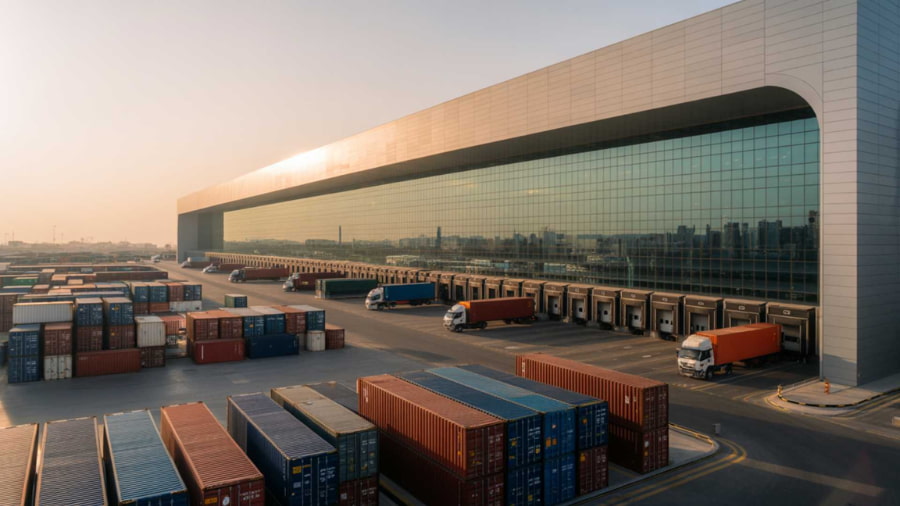
Before you even begin seeking a property to rent warehouse in Dubai, you have to clearly describe what your business demands. This transparency will save you time and money. Key needs to determine –
1. Purpose and Usage – What will the warehouse be utilized for? Is it for pure storage, an allocation hub, light manufacturing, assembly, or perhaps a blend?
2. Size – Calculate the minimum and perfect size you require for your current inventory and expected evolution over the next 1-2 years. Don’t forget to think about vertical space for stacking.
3. Specialized Needs –
- Temperature Control – Do you require temperature-controlled or cold storage? This is vital for products such as food grade warehouse in Dubai, which demands particular certifications and infrastructure.
- Power Capacity – Verify the needed power load. This is crucial if you plan to utilize heavy machinery, broad cooling systems, or light manufacturing equipment.
- Access and Loading – How many loading docks, ramps, or big vehicle access points do you require?
4. Type of Goods – The nature of your inventory will dictate the needed protection standards and permits. Dangerous goods warehousing needs extremely specialized facilities and stringent adherence to Civil Defense rules.
5. Budget – Determine your overall budget, including the yearly rent, security deposit, service charges, utility connection costs, and fit-out expenses.
Choosing the Right Location – Mainland vs. Free Zone
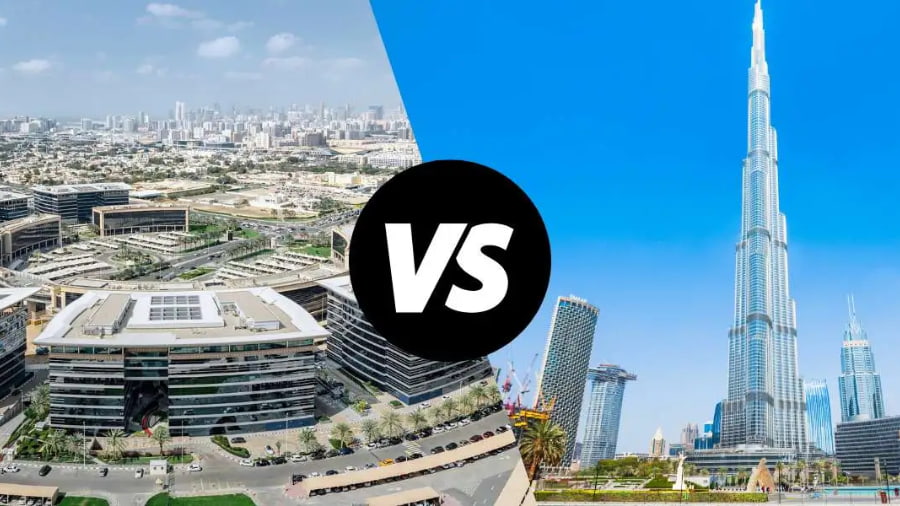
Dubai presents two primary environments for establishing a business and leasing a warehouse: the Mainland and Free zones. Your option remarkably affects your market access and legal structure.
Feature Dubai Mainland Dubai Free Zone (e.g., JAFZA, Dubai South)
| Feature | Dubai Mainland | Dubai Free Zone (e.g., JAFZA, Dubai South) |
| Market Access | Can trade/sell goods directly anywhere in the UAE. | Primarily for international trade and business within the Free Zone. Requires a local distributor or agent for mainland sales. |
| Foreign Ownership | Up to 100% foreign ownership is allowed for most activities. | 100% foreign ownership is a long-standing benefit |
| Customs Duty | Goods imported to the mainland are subject to customs duties | Goods within the Free Zone are exempt from customs duties. |
| Logistics Hubs | Al Quoz, Ras Al Khor, Al Qusais, Dubai Investment Park (DIP). | Jebel Ali Free Zone (JAFZA), Dubai South (Dubai Logistics City), Dubai Airport Freezone (DAFZA). |
For strategic warehousing in Dubai, closeness to key infrastructure is crucial –
1. Near Ports/Seaports – Jebel Ali/JAFZA and Dubai South are ideal for import/export companies.
2. Central Distribution – Al Quoz and DIP are centrally located, perfect for serving the main city and e-commerce distribution.
3. Affordability – Locations such as Dubai Industrial City usually give lower rates per square foot for bigger areas.
The Step-by-Step Leasing Process
Once your demands are clear and you have a preferred location, the procedure to lease a warehouse in Dubai typically follows these steps –
A. Shortlisting and Site Visits
1. Engage a Professional Agent – Working with a commercial real estate agent who has expertise in industrial and logistics property is highly recommended. They comprehend local zoning, allowed usage, technical specs, and hidden expenses. For customized logistics support, collaborating with a corporation such as SAG Logistics Services LLC can also deliver professional and facility demands and functional formation.
2. Inspect the Property – During your visits, go beyond the brochure.
- Examine the actual usable location and ceiling height for your racking system.
- Check the floor condition and verify the load-bearing ability.
- Review the fire-fighting system and current Civil Defense certificates.
- Make sure the facility fulfills the norms for Modern warehouses in Dubai, including insulation, ventilation, and enough lighting.
B. Negotiation and Terms
Negotiation isn’t only about the yearly rent. Key terms include –
1. Payment Schedule – Rent is generally paid yearly, usually in 1 to 4 post-dated cheques.
2. Lease Duration – Leases typically range from 1 to 5 years. Clarify renewal choices and early-termination clauses.
3. Grace Period – Negotiate a rent-free fit-out duration to install racking, protection, and IT systems prior to you beginning to function.
4. Maintenance – Transparently describe who is responsible for structural repairs, Mechanical, Electrical, and Plumbing maintenance, and service charges/Common Area Maintenance costs.
C. Legal Requirements and Documentation
To finalize the contract, you have to adhere to Dubai’s legal demands.
1. Valid Trade License – You should hold a legal trade license from the Department of Economic Development or the appropriate Free Zone Authority, which particularly permits warehousing or your intended activity.
2. Approvals and Permits – Depending on your kind of inventory –
- Civil Defense Approval – Compulsory for fire and protection clearance. Crucial for all warehouses, particularly for Dangerous Goods Warehousing.
- Dubai Municipality/Health Department – Needed for a food grade warehouse in Dubai to examine hygiene, storage conditions, and pest control.
- Special Permits – Additional approvals may be required for some chemicals or specialized goods.
3. Ejari Registration – All rental contracts in Dubai should be registered with Ejari, the government’s system for regulating rental agreements. This registration is crucial to legally connect utilities and solve any future rental disputes.
D. Finalization and Move-In
After protecting the crucial approvals, you will –
- Sign the legal contract.
- Deliver the needed documents.
- Pay the protection deposit and initial rent cheques.
- Register the lease with Ejari.
- Connect utilities and establish communication services.
- Secure the right property and inventory insurance.
Understanding Specialized Warehousing

Dubai’s modern logistics industry supports a broad array of industries, requiring different kinds of storage.
A. Food Grade Warehouse in Dubai
- Requirement – Crucial for perishable goods, including fresh produce, meat, dairy, and pharmaceuticals.
- Compliance – Must comply with stringent hygiene and temperature-monitoring norms established by the Dubai Municipality. Expect higher rental and functional expenses because of the specialized infrastructure.
D. Dangerous Goods Warehousing
- Requirement – For storing risky materials, chemicals, or flammable goods.
- Compliance – Requires specific licensing from authorities such as the Dubai Civil Defense and the appropriate Free Zone. The facility should have modern protection features, containment systems, and particularly skilled staff.
C. Small Warehouse in Dubai
- Solution – Ideal for startups, e-commerce companies, or smaller trading companies.
- Location – Locations such as Al Quoz and DIP usually deliver a better blend of smaller, affordable storage units, sometimes delivering adaptable leasable locations or shared logistics services.
By carefully thinking about your functional requirements, handling the mainland/free zone option, and complying with the legal structure, you can successfully protect the ideal area for your strategic warehousing in Dubai and take advantage of the city’s status as an international logistics gateway.
Genuine Resources for Leasing a Warehouse in Dubai

For further thorough and up-to-date data, you can refer to the following resources –
1. Dubai Land Department/Ejari – For official details on tenancy law, rental agreements, and the Ejari registration procedure.
2. RAKEZ Guide to Rent – Delivers a better general overview of factors to think about, including zoning and storage consumption.
3. Specialized Agencies and Logistics Providers – Corporations that have expertise in commercial property or delivering incorporated warehousing solutions in the UAE can deliver professional, real-time advice on legal adherence and market rates.